
- Home
- FAQ
Halal meat wholesale: frequently asked questions
Answers for importers, wholesalers, butchers and food service buyers on halal certification, products, ordering, delivery, documents, storage and export. Anything not covered here is agreed per order in a written offer.
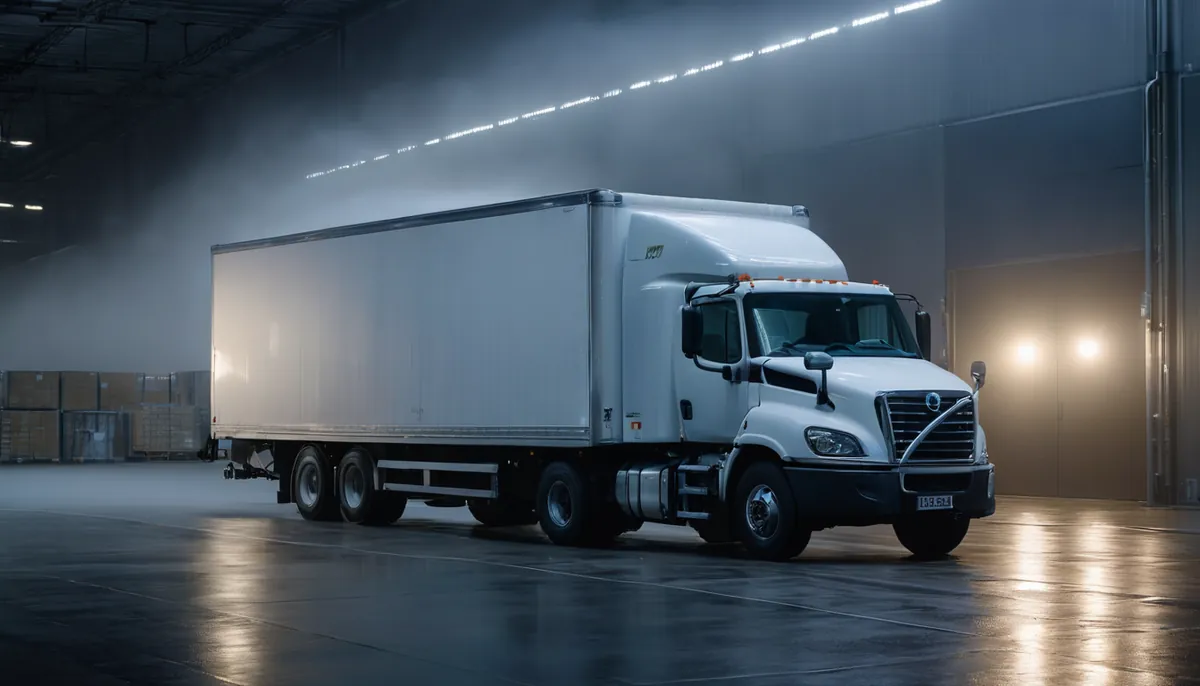
We supply businesses only; there is no online shop and no public price list.
Halal certification comes from recognised certifying bodies; the certificate for your lot is available before you order.
Origin, prices, quantities, lead times and payment terms are set out per order in a written offer.
No question matches your search. Write to us and we will answer personally. Contact
About Carne Andalucía
Who we are, whom we supply and how to reach us.
Who is Carne Andalucía?
Carne Andalucía is the halal meat wholesale business of Andalucia Premium SL, based in Málaga, Spain. We source halal beef, lamb, veal and poultry from EU-approved slaughterhouses and cutting plants that hold halal certification from recognised bodies, and supply them fresh or frozen to businesses. More about our company.
Do you only sell to businesses?
Yes. We supply importers, wholesalers, butchers, meat processors, restaurants, hotels and caterers. There is no online shop, no public price list and no sale to private customers.
Does the name Carne Andalucía mean the meat comes from Andalusia?
No. The name refers to our base in Málaga, not to the origin of the meat. The origin of each lot, including the countries of rearing and slaughter and, for beef and veal, the country of birth, is stated in the offer and on the label.
Which markets do you supply?
We supply buyers in Spain, in other EU countries and in the MENA region. For destinations outside the EU, we first check whether the import requirements of the country can be met for the product you need.
How do I contact you, and when will I get an answer?
Use the contact form or write to us by email; every enquiry is answered personally. The more complete your enquiry is, the sooner we can prepare a written offer. You find the form on our contact page.
Is there halal food in Spain for trade buyers?
Yes. Halal-certified meat is available in Spain through slaughterhouses, cutting plants, wholesalers and importers. For a trade buyer, what counts is the certificate, the approval and the documents of each lot; see our guide to buying halal meat in Spain.
Transparency: what we document and what the offer states
What we do ourselves, what we document for each lot and which details only become binding in the written offer.
Are you a halal meat trading company or a slaughterhouse?
We are a trader and do not slaughter animals ourselves. Carne Andalucía sources halal meat from EU-approved, halal-certified slaughterhouses and cutting plants and handles the offer, the specification, the documents and the delivery for you. The plant that slaughtered and cut a lot is named in the offer.
Who performs the slaughter, and under whose supervision?
Slaughter takes place at the approved slaughterhouse the lot comes from. There, the competent veterinary authority carries out official controls on food hygiene and animal welfare, while the halal certification body checks compliance with its standard, including who may perform the slaughter. We name the plant and the certification body for each lot; the process is explained in Halal slaughter explained.
Why don’t you simply say “100% halal”?
Because a blanket claim gives you nothing you can check. Whether a lot is halal is confirmed by the plant’s certification body under its own standard, and standards differ, for example on stunning. So for each lot we state the certificate, the certification body and the slaughter method, and you decide whether that meets your requirements and those of your customers.
How do I compare halal certified meat suppliers in Europe before a first order?
By documents rather than reputation: a copy of the halal certificate showing the issuing body, number, validity and scope, plus the EU approval number of the slaughterhouse and cutting plant. We send this evidence with the offer, together with the product specification. What to look for on a certificate is covered in How to check a halal certificate.
Which Incoterms and reefer options are possible?
The delivery term, such as EXW, FCA, DAP or CIF under Incoterms 2020, is agreed for each offer. Whether the goods travel by refrigerated truck or reefer container, and whether a full container or mixed pallets make sense, depends on volume, product and destination. Transfer of risk, costs and temperature requirements are set out in writing in the offer.
How does an intra-EU supply with a VAT ID work?
When we deliver from Spain to a business in another EU member state, the supply is generally exempt from VAT if you provide a VAT identification number that is valid in the EU’s VIES system and the goods are shown to have been transported to that member state. You then account for VAT on the intra-community acquisition in your own country. This is a general description, not tax advice; your tax adviser can confirm how it applies to you.
Can we plan ahead for Ramadan or Eid al-Adha?
Yes, please send your enquiry as early as possible. Demand for halal meat, lamb in particular, rises ahead of Ramadan and Eid al-Adha, so volumes, cuts and delivery dates should be agreed in good time. We do not promise availability or dates in advance; they are confirmed in writing in the offer.
Do you offer organic or animal-welfare meat?
On request. We can only offer organic meat or meat from a specific animal-welfare scheme where a halal-certified plant can supply it with the relevant proof, such as the certificate of the organic control body. State your requirements in your enquiry and we will tell you whether an offer is possible.
Can I become a reseller or distributor?
On request. Tell us about your company, your sales territory, your customer groups and your expected volumes via the enquiry form. Whether and on what terms we can work together is discussed with you and then agreed in writing.
Halal certification and slaughter
What halal means for meat, who certifies it and what buyers should check.
What is halal meat in Islam?
Meat is halal when it comes from a permitted species and the animal was slaughtered according to Islamic dietary rules. Common requirements are that the animal is alive and healthy at slaughter, that it is slaughtered by a Muslim with the name of God invoked, and that the cut severs the main blood vessels of the neck so the blood drains. Details differ between schools of law and certification standards; see what halal means for meat.
Can I see the halal certificate before I order?
Yes. On request, we send you the halal certificate of the supplying establishment for your lot before you confirm the order. Check that it names the certifying body, the establishment, the products covered and a validity period that includes the production date.
Do you certify the meat as halal yourselves?
No. Halal certification is carried out by independent certifying bodies, which audit slaughterhouses and processing plants against their own standard. We pass on the certificate that applies to your lot and name the certifying body in the offer.
Is the meat from stunned or non-stunned animals?
Both are possible, depending on the slaughterhouse, the standard of its certifying body and the national rules in the country of slaughter. EU law requires stunning but allows a derogation for religious slaughter in approved slaughterhouses under Article 4(4) of Regulation (EC) No 1099/2009, and Member States may restrict this derogation. The method used for each lot is stated in the offer; background in halal slaughter explained.
Which halal standard do you work with?
That depends on your market. Certifying bodies and importing countries differ, for example on stunning, on the mechanical slaughter of poultry and on which bodies they recognise. Tell us the standard or recognition you need, and we check whether a suitable lot is available before we send an offer.
How is halal meat kept separate from non-halal products?
Separation requirements are set by the standard of the certifying body and usually cover production, storage and transport, in particular separation from pork. Storage and transport conditions for your order are agreed with you and set out in the offer.
How is halal meat labelled?
EU law does not define halal and prescribes no halal label; a halal claim rests on the certification and must not mislead buyers under Article 7 of Regulation (EU) No 1169/2011. Whether the mark of a certifying body appears on the packaging depends on the producer and the certifier. The mandatory information, such as origin, identification mark and dates, is the same as for all meat.
How is halal meat produced and processed?
In approved slaughterhouses and cutting plants under the same EU hygiene rules as other meat. The difference is the slaughter according to the halal rite and the separation from non-halal products in cutting, packing and storage, which a certifying body audits.
What is the difference between halal and regular meat?
The difference lies in the slaughter, the certification and the handling, not in the hygiene rules: halal and conventional meat are subject to the same EU food law. Quality depends on breed, feeding, age and cold chain in both cases; more in halal vs regular meat.
Products, cuts and packaging
What we supply and how products are specified and packed.
Which halal meat products do you supply?
Halal beef, lamb, veal, chicken and turkey, fresh or frozen. They are available as carcasses or quarters, primal and portioned cuts, minced meat and processed products such as burgers, kebab meat and marinated cuts. An overview is in our product range.
Should I buy chilled or frozen halal meat?
Chilled meat suits short transport routes and continuous sale or use, because its shelf life is shorter. Frozen meat suits long routes, export markets and stock planning. Tell us your route and sales pattern, and we advise which format fits your enquiry.
Can cuts be prepared to my own specification?
Yes. Cut, trim, bone-in or boneless, weight range, fat cover, packaging and labelling are set out in a written specification before the offer. Cut names differ between countries, so each cut is described rather than only named; see our guide to cuts and specifications.
Do you supply minced meat and meat preparations?
Yes: minced beef, lamb, veal and poultry, as well as burgers, meatballs, kebab meat and marinated cuts. Recipe, fat content and packaging are agreed per order. Ingredients and allergens are declared under Regulation (EU) No 1169/2011.
Can I order poultry whole or in parts?
Both. Whole chickens are supplied in agreed weight classes, parts as breast fillets, thighs, drumsticks or wings, and turkey as breast, thigh and portioned cuts. Frozen poultry can be individually frozen or frozen in blocks, depending on the supplying plant.
Do you also supply halal lamb and veal?
Yes. Lamb is available as whole carcasses, legs, shoulders, racks, chops and diced meat; veal as primal cuts, escalopes, shank, diced and minced meat. The age category of veal is stated on the label as required by EU market rules.
How is the meat packed?
Primal and portioned cuts are usually vacuum-packed and boxed in cartons; carcasses and quarters are delivered hanging or wrapped. Frozen products are packed in cartons and usually palletised. Packaging type, carton weight and labelling are agreed in the specification.
Enquiries, offers and ordering
How an order works, from the first enquiry to the confirmed offer.
How do I order halal meat wholesale?
You send an enquiry, we clarify specification and documents with you and send a written offer. Once you confirm the offer, we coordinate supplier, cold chain and transport. Each step is described in our guide to ordering halal meat.
What should my enquiry include?
Species and cuts, fresh or frozen, quantities per delivery and per month, the destination and delivery address, and the halal standard or recognition your market requires. Packaging and labelling requirements, the desired delivery date and any documents your authorities ask for help us prepare an accurate offer.
Is there a minimum order quantity?
There is no general minimum. The quantity depends on species, cut, format and destination and is stated in the written offer, so please tell us your expected requirement in the enquiry.
Do you have a halal meat wholesale price list?
No. Prices depend on species, cut, origin, quantity, destination and the market situation at the time. You receive a written offer with prices, their validity and the delivery terms.
Which payment terms do you offer?
Payment terms, including method and due date, are agreed per order and set out in the written offer. For new business relationships and for export orders, they are agreed before the first delivery.
Can I get a sample before ordering?
You can ask for a sample in your enquiry. Whether a sample is possible, in which quantity and on which terms depends on the product and the supplying plant, and is agreed in advance.
Can we agree regular deliveries or a framework contract?
Yes. For recurring requirements, planned quantities, delivery rhythm and price periods can be set out in a framework agreement. Each delivery under it comes with its own documents.
Can I order halal meat online?
You can send your enquiry online, but there is no online shop. We reply with questions or a written offer, and the order is confirmed in writing once you accept it.
Delivery and cold chain
Where we deliver, at which temperatures and what to check on arrival.
Where do you deliver halal meat?
Within Spain, to other EU countries and to third countries whose import requirements can be met. The delivery point and the Incoterm are agreed per order and stated in the offer.
Which temperatures apply to meat in transport?
Under Annex III of Regulation (EC) No 853/2004, fresh meat must be kept at no more than 7 °C, poultry meat at no more than 4 °C, minced meat at no more than 2 °C and meat preparations at no more than 4 °C. Frozen meat is kept at −18 °C or colder. These limits apply throughout transport; more in our guide to the cold chain.
How is the meat transported?
Chilled and frozen meat travels in temperature-controlled trucks, and for overseas destinations in refrigerated containers. The means of transport, the temperature setting and how temperatures are recorded are agreed per order.
How long does delivery take?
The lead time depends on product, availability, documents and destination, and is stated in the written offer. Export shipments need additional time for certificates, so please plan early, especially before Ramadan and Eid.
What should I check when the goods arrive?
Check the product temperature, intact packaging and seals, labels and identification marks against the documents, quantities and weights, and the use-by or freezing dates. Note any deviation on the delivery note, take photos and inform us immediately.
How are complaints handled?
Report the issue in writing as soon as possible, with lot number, photos, temperature readings and the delivery note. We check deviations from the specification with the supplier and the carrier. The procedure and deadlines are part of the terms agreed in the offer.
Documents, labelling and traceability
Which documents accompany a delivery and what the label tells you.
Which documents come with a delivery?
Typically the commercial invoice, the delivery note, the halal certificate for the lot and the labels with origin details and identification mark. For third countries, the export health certificate and any other documents the destination requires are added. Which documents apply is agreed before the offer; see how to check halal certificates.
How is the origin of the meat labelled?
For beef and veal, Regulation (EC) No 1760/2000 requires a reference number and the countries of birth, rearing and slaughter, with the approval numbers of slaughterhouse and cutting plant. For lamb and poultry, Implementing Regulation (EU) No 1337/2013 requires the country of rearing, the country of slaughter and a batch code.
What is the identification mark on meat?
It is an oval mark applied by the approved establishment that produced or packed the product. It shows the country, the approval number of the establishment and an EU abbreviation such as EC or CE, as set out in Annex II of Regulation (EC) No 853/2004. With it, you can check the establishment in the official lists of approved establishments.
What information is on the label?
The name of the product, the origin details, the identification mark, the net quantity, the use-by or best-before date, storage conditions and the lot number. Frozen meat also carries the date of freezing under Annex III of Regulation (EU) No 1169/2011.
How can each lot be traced?
Under Article 18 of Regulation (EC) No 178/2002, every food business must be able to name its supplier and its customer. For beef and veal, a reference number links the meat to the animal or group of animals; for other species, a batch code links it to the lot. Together with the delivery documents, each lot can be traced back to the slaughterhouse.
Which health certificate is needed for export to third countries?
Most destination countries require an export health certificate issued by the competent veterinary authority of the exporting country, following a model agreed with or set by the destination. Many also ask for a halal certificate from a body they recognise and a certificate of origin. We clarify the required documents for your destination before the offer.
Storage and shelf life
How to store, thaw and use chilled and frozen meat after delivery.
At which temperature should halal meat be stored?
Store fresh meat at no more than 7 °C, poultry meat and meat preparations at no more than 4 °C, minced meat at no more than 2 °C and frozen meat at −18 °C or colder. If the label gives stricter storage conditions, follow the label. Practical advice is in our guide to storage and shelf life.
What is the difference between use-by and best-before?
Highly perishable food such as fresh meat and mince carries a use-by date; after this date it is considered unsafe and must not be sold or used, under Article 24 of Regulation (EU) No 1169/2011. Frozen meat usually carries a best-before date, which indicates how long the product keeps its quality when stored correctly.
How should frozen meat be thawed?
Thaw it slowly in a refrigerator at chill temperatures, in a container that collects the thawing liquid. Regulation (EC) No 852/2004 requires thawing to be carried out so that the risk of microbial growth is minimised. Use thawed meat promptly.
Can thawed meat be frozen again?
As a rule, no, because refreezing affects quality and food safety. Any freezing and thawing that is part of a business’s own process must be covered by its HACCP-based procedures, and meat sold after thawing must be labelled as defrosted under Regulation (EU) No 1169/2011.
Export and import
Shipping halal meat to third countries and bringing meat into the EU.
Do you export halal meat to MENA and other third countries?
Yes, where the requirements of the destination can be met. That usually means an establishment eligible for export to that country, the required health certificates and a halal certificate from a body the country recognises. We check this for each enquiry before making an offer.
Which import conditions apply in the destination country?
They are set by the authorities of the destination country and can cover eligible establishments, health certificates, recognised halal bodies, labelling language and shelf-life requirements. Importers usually know their local rules, so we align the documents with you before the offer.
How is meat imported into the EU?
Meat from outside the EU may only come from listed countries and establishments under Implementing Regulation (EU) 2019/626 and must travel with an official certificate following the models of Implementing Regulation (EU) 2019/628. It enters through a border control post, with prior notification in TRACES and official checks under Regulation (EU) 2017/625; details in importing meat into the EU.
Who coordinates customs and documents for an export order?
The split of responsibilities is agreed through the Incoterm in the offer. On the supply side, we coordinate the certificates and shipping documents; customs clearance in the destination is usually handled by the importer or its agent. All documents are agreed before shipment so that they match each other.
Hotels, restaurants and catering
Kitchen-ready halal meat for food service, in agreed portions and rhythms.
Do you supply hotels, restaurants and caterers?
Yes. We supply kitchen-ready halal cuts, minced meat and processed products in agreed portions and packaging, with the halal certificate and allergen information for every lot. More on our page for hotels and catering.
Can you supply portioned meat?
Yes. Steaks, escalopes, diced meat, chicken fillets and burgers can be supplied in agreed portion weights, individually vacuum-packed or packed in bulk, depending on the supplying plant.
What should a restaurant consider before marking dishes as halal?
EU law does not define halal, but information given to guests must not mislead under Article 7 of Regulation (EU) No 1169/2011. Keep the halal certificate and delivery documents for each lot and make sure halal products are stored and prepared separately in your kitchen. If you want your restaurant itself to be certified, ask a certifying body about its requirements.
How often can you deliver to our kitchen?
The delivery rhythm is agreed with you, for example as a standing weekly order or per event. Quantities can be adjusted within the terms agreed in the offer.
Can restaurants buy halal meat in bulk?
Yes. Restaurants, hotels and caterers can order regular volumes of portioned cuts, minced meat and processed products. Quantities and delivery rhythm are agreed per order and set out in the written offer.
Last updated: October 2026This page provides general information on the meat trade, halal practice and EU food law. It is not legal, tax or religious advice. The binding information for each lot is given in its offer, on its label and in its accompanying documents.
Further reading
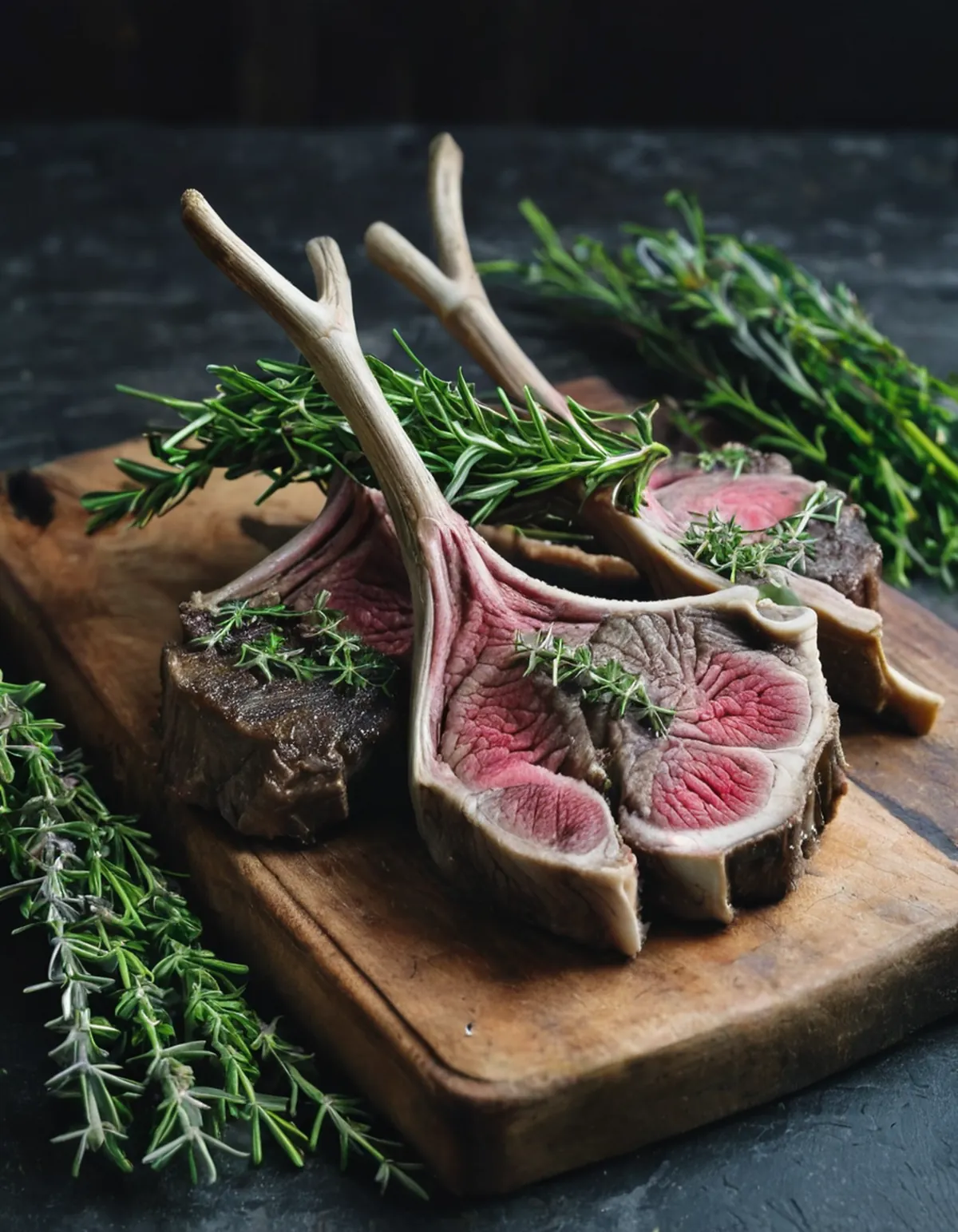
What is halal meat? Its meaning in Islam and for buyers
The term, the general requirements, the words zabiha and dhabiha, why halal standards differ and what a trade buyer of halal meat should check before ordering.
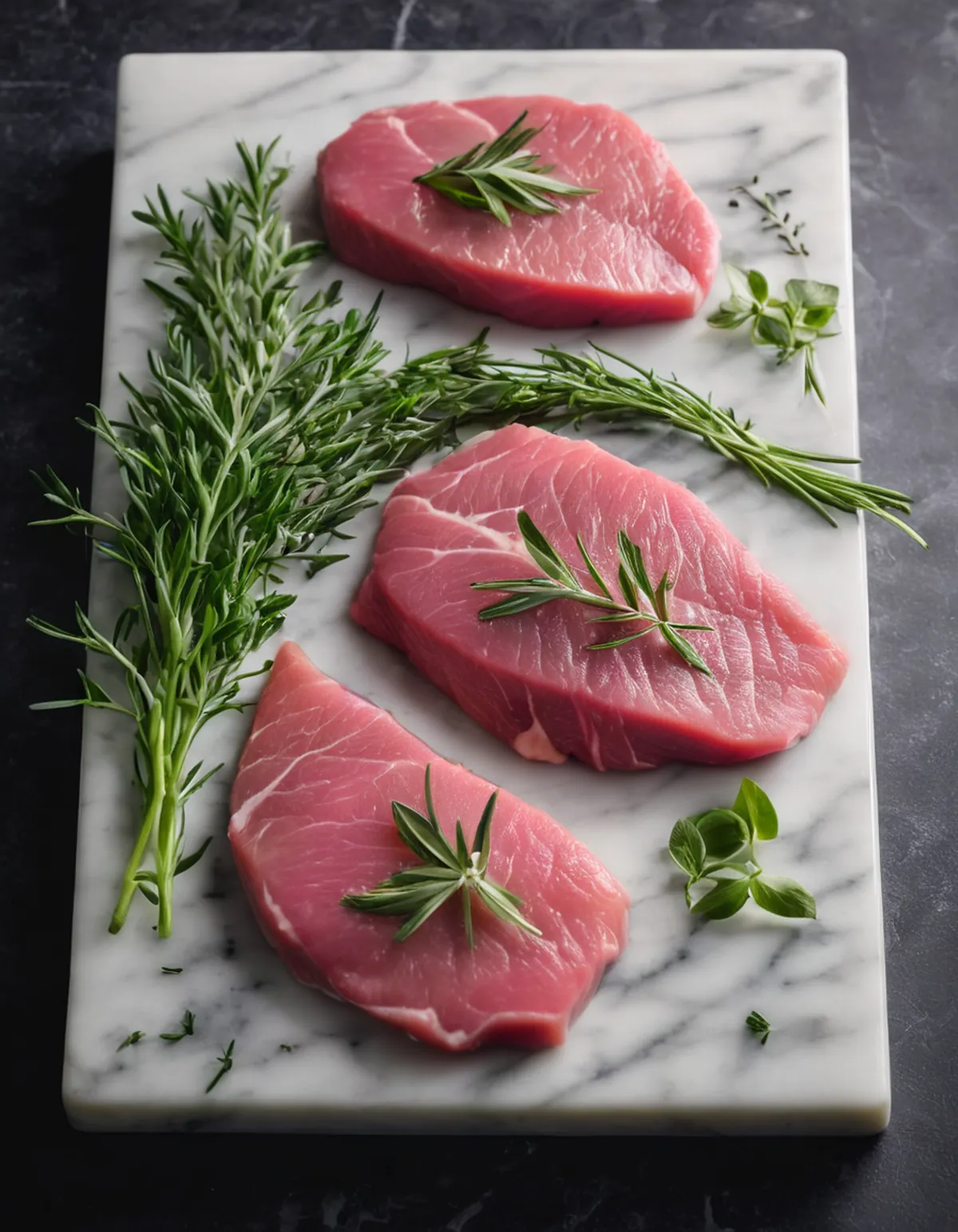
Halal meat vs regular meat: what differs and what is the same
How halal meat differs from conventional meat in slaughter, certification and labelling, how the stunning debate is framed, what EU law treats identically and why halal status says nothing about nutrition or quality.
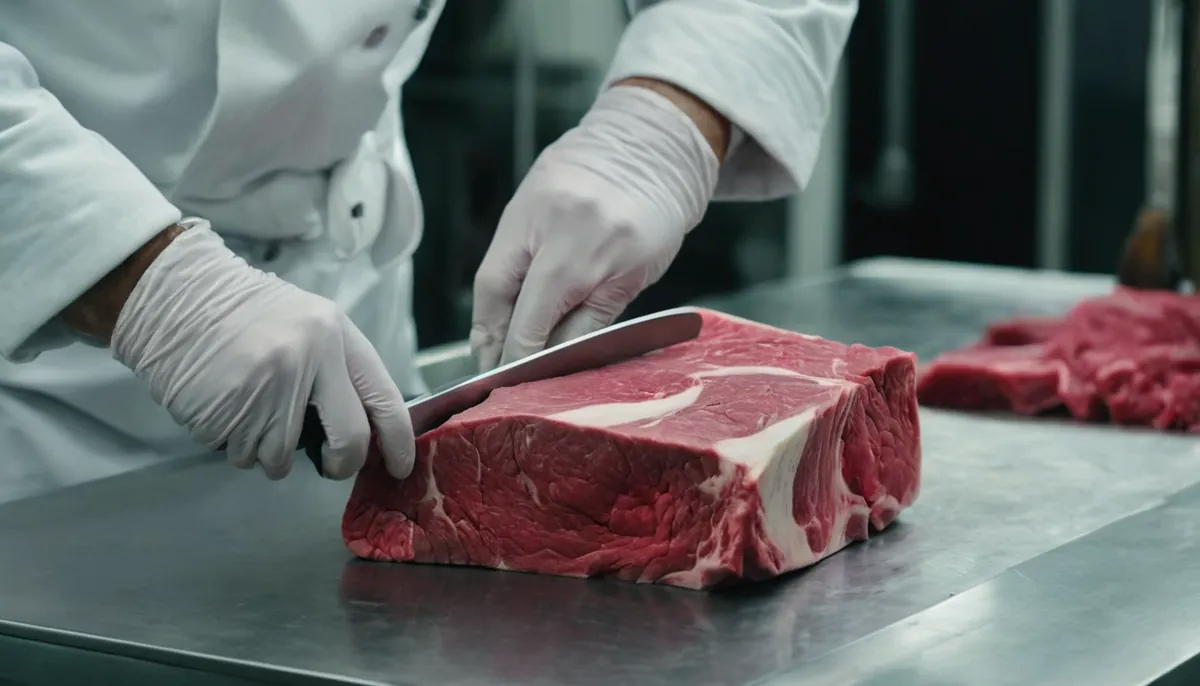
Halal slaughter explained: requirements and EU law
What halal slaughter requires, how stunning is handled, and what EU law and national rules allow, explained for trade buyers.
Request an offer
Tell us which species and cuts, fresh or frozen, approximate quantities, the destination and the halal standard you need. We reply personally with questions or a written offer.
Request an offer