CARNE ANDALUCÍAHALAL MEAT · MÁLAGA
Request an offer
ProductsWholesaleHotels & cateringHalal & qualityGuidesFAQAboutContactHalal beefHalal lambHalal vealHalal poultryFrozen halal meatMinced & processedRequest an offer
ENESDE
  1. Home
  2. Guides
  3. Halal meat export from Spain and the EU: process, regulations and documents
Guide · Export · 10 min read

Halal meat export from Spain and the EU: process, regulations and documents

How a halal meat export works in practice: what changes between an EU destination and a third country, which certificates each shipment needs, and what the importer has to provide before loading.

In brief

Within the EU, meat moves as an intra-Community supply in the single market: no customs, no export health certificate in the usual case.

A halal meat export to a third country needs a veterinary health certificate issued by the authorities, a halal certificate per shipment and customs export papers.

Many destination countries only accept meat from plants on their approved list and halal certificates from certifiers they recognise; this is checked per order, never assumed.

The importer supplies the import permit, labelling rules and the exact data for the certificates; without them a shipment cannot be prepared.

What is the halal meat export process, step by step?

A halal meat export runs from the importer's specification through an offer, a check of approvals and certificates, production and packing, the issue of the health and halal certificates, customs clearance and loading into a refrigerated container.

Every order is different, but the halal meat export process usually follows the same order. Most delays happen in the early steps, when requirements are unclear, not during transport.

  1. Specification: species, cuts, fresh or frozen, packing, quantity, destination port, halal standard and labelling rules of the destination country.
  2. Approval check: is the producing plant eligible for this country, and is the halal certifier accepted there? The answer decides which supply is possible.
  3. Offer: origin, plant, price, quantity, Incoterm and lead time are stated in the offer.
  4. Contract and payment terms: for example advance payment or a letter of credit, plus the document list the bank or buyer requires.
  5. Production and packing with labels approved in advance by the importer.
  6. Certificates: veterinary health certificate, halal certificate for the shipment, certificate of origin if required.
  7. Export customs clearance and loading into a reefer container, with temperature records.
  8. Documents to the importer so the goods can be cleared at destination.

For the order side in general, see our guide how to order halal meat wholesale.
Halal meat export within Europe: how is an intra-EU supply different from a third-country export?

Inside the EU, meat moves freely in the single market as an intra-Community supply, without customs and usually without a veterinary certificate. An export to a country outside the EU is a customs export and needs certificates agreed with that country.

For a halal meat export within Europe, EU food law applies on both sides. Meat from an EU-approved plant carries the oval identification mark under Regulation (EC) No 853/2004 and travels with a commercial document. Official veterinary certificates for meat between member states are the exception, not the rule; where they are required, they run through TRACES.

  • Intra-EU: no customs declaration; for VAT the supply to a business with a valid EU VAT number is normally exempt, the buyer accounts for VAT in its own country.
  • Third country: export declaration to customs, export VAT exemption with proof of exit, a health certificate issued by the authorities and whatever the importing country additionally requires.

The halal side is the same in both cases: the halal status comes from the slaughter and the certificate, not from the destination. What changes is whether the destination's authorities must recognise the certifier, which is common outside the EU. The tax treatment is set by the VAT Directive (Directive 2006/112/EC); your tax adviser confirms the details for your case.

What is a halal meat export health certificate, and who issues it?

The health certificate is an official veterinary document confirming that the meat meets the animal health and food safety conditions of the importing country. It is signed by an official veterinarian of the competent authority in the exporting country, not by the seller.

The content of a halal meat export health certificate is not set by the exporter. The importing country defines it, often in a model certificate negotiated with the EU or with the individual member state. Typical statements cover:

  • the approval number of the slaughterhouse, cutting plant and cold store;
  • animal health conditions in the region of origin;
  • ante- and post-mortem inspection and fitness for human consumption;
  • production and expiry dates, lot numbers, net weight and number of packages;
  • container and seal numbers, consignee and port of destination.

In Spain, export certificates for products of animal origin and the conditions agreed with each third country are published by the authorities on the CEXGAN portal, together with lists of establishments authorised for certain destinations. Other member states have their own national systems.

The certificate must match the shipment exactly. A wrong consignee name, a missing seal number or a date in the wrong format can stop a container at the port of destination. That is why the certificate data is agreed with the importer before loading.

What do halal meat export regulations require: halal certificate per shipment and approved lists?

Besides the health certificate, most halal markets want a halal certificate for each shipment, issued by a certifier the importing country recognises, and many accept meat only from plants on their approved list. Both are checked for each destination before an offer is confirmed.

Halal meat export regulations combine two layers: veterinary rules and halal rules. They are checked separately.

  • Plant approval: some importing countries keep their own lists of foreign plants allowed to ship to them. A plant that is fully approved in the EU is not automatically on that list.
  • Recognised certifier: several countries only accept halal certificates from certifiers registered or accredited with their own authority. A certificate from a body that is not on that list may not be accepted at customs.
  • Halal certificate per shipment: in addition to the general certificate of the plant, many importers want a document for the specific consignment, with lot numbers, quantities and container number.
  • Halal standard: questions such as stunning or mechanical slaughter of poultry are judged differently by certifiers and schools of law. The importer's certifier or imam decides what is required; we do not give our own ruling.

How certificates are read and checked is explained in halal certificates for meat. Which approvals apply to a given offer is stated in that offer; we do not assume them in advance.

Fresh or frozen: how is halal meat shipped in a reefer container?

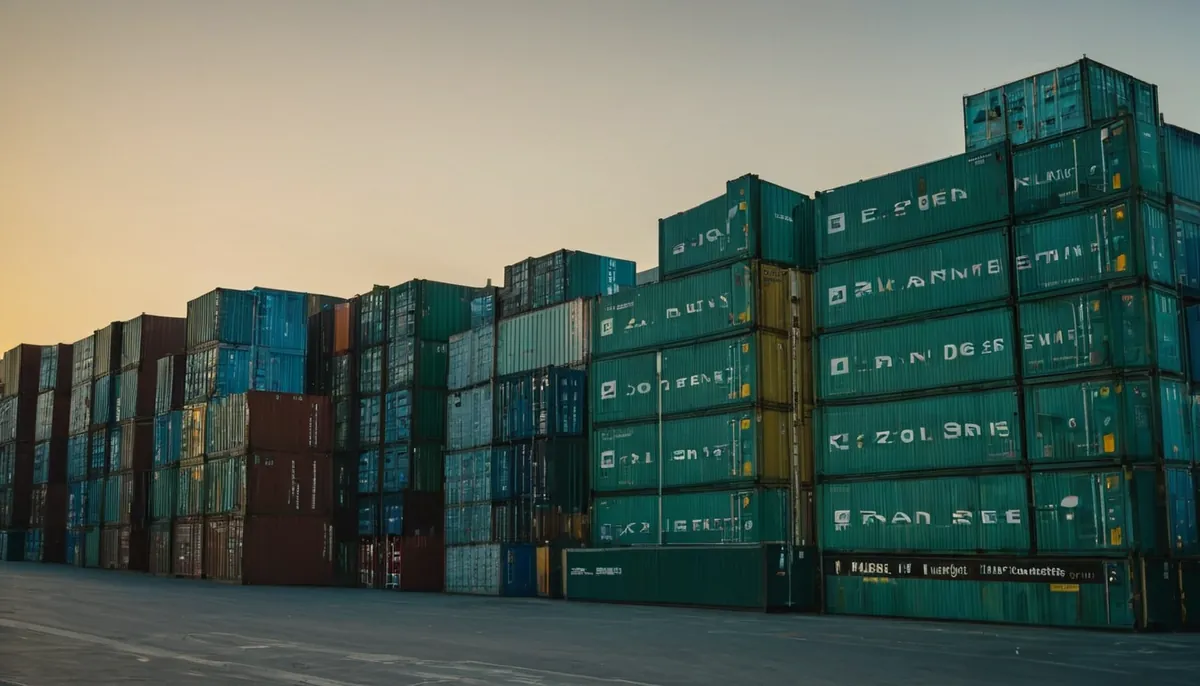
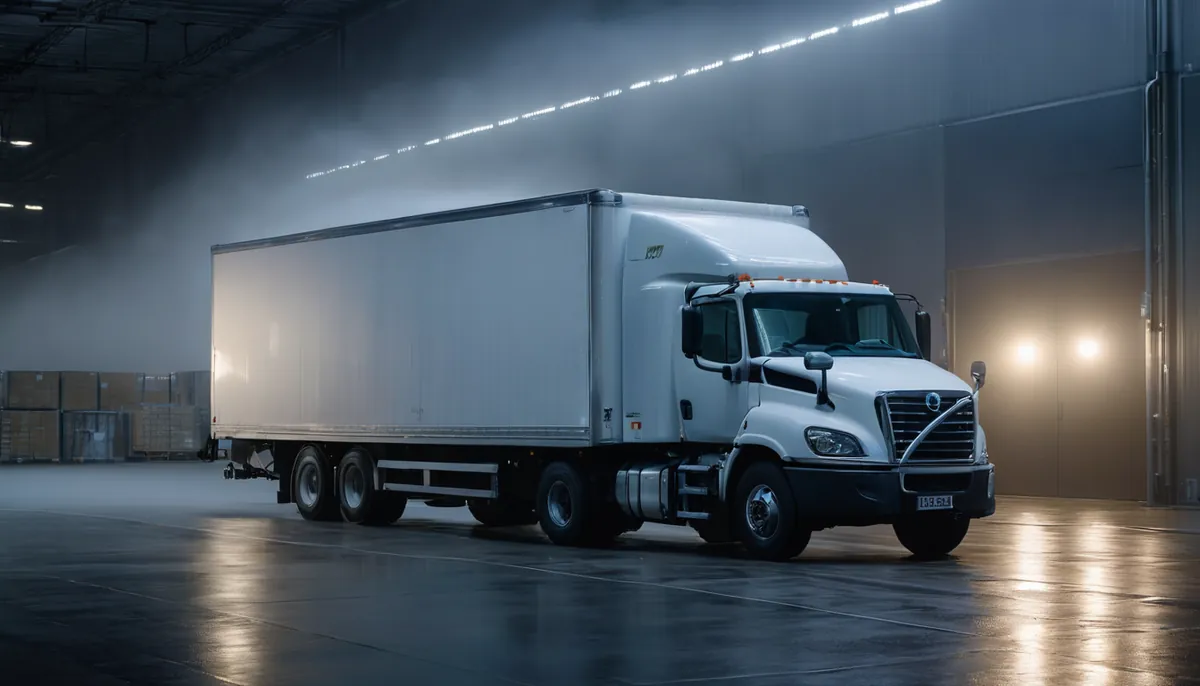
Halal meat for export travels in a refrigerated container (reefer) set to the temperature of the product: frozen goods usually at -18 °C or colder, chilled goods just above freezing. On long sea routes frozen or vacuum-packed chilled meat is common; fresh meat on short routes or by air.

A reefer is a container with its own cooling unit, connected to power on the terminal and on board. It holds a temperature; it does not cool down warm goods. The meat must therefore be loaded at the right core temperature.

  • Frozen: suitable for long transit times, for example by sea to the Gulf or Asia. Set point and loading temperature are agreed in the contract.
  • Chilled: Regulation (EC) No 853/2004 sets maximum temperatures, for red meat 7 °C and for poultry 4 °C. For export, vacuum packing and a shelf life that covers transit, customs and sale at destination are decisive.
  • Documentation: set point, pre-cooling, loading temperature and data logger records travel with the shipment.

Many importing countries also require a minimum remaining shelf life on arrival. This is the most common reason why a route is only possible for frozen goods. More on temperatures in the halal meat cold chain and on frozen products in frozen halal meat.

Which Incoterms and customs documents does a halal meat export from Spain need?

The Incoterm decides who pays and carries the risk for transport, insurance and customs; common terms in meat export are FCA, FOB, CFR, CIF and DAP. The usual document set is commercial invoice, packing list, bill of lading or air waybill, health certificate, halal certificate and, where required, a certificate of origin.

Incoterms 2020 of the International Chamber of Commerce are the common language for delivery terms. For a halal meat export from Spain, the choice is mainly about who books the reefer:

  • FCA / FOB: the buyer organises the main transport; the seller hands over the goods cleared for export.
  • CFR / CIF: the seller pays sea freight to the port of destination, under CIF also insurance; the risk passes on loading.
  • DAP: the seller delivers to a named place at destination; import clearance stays with the buyer.

On the customs side, the export is declared electronically in the EU export system under the Union Customs Code. The document set usually includes:

  • commercial invoice and packing list with net and gross weights per lot;
  • export declaration with its movement reference number;
  • bill of lading or air waybill;
  • veterinary health certificate and halal certificate;
  • certificate of origin or preferential proof of origin, depending on the destination and any trade agreement;
  • where demanded, legalised copies.

Which Incoterm and which documents apply is stated in each offer.

What labelling and language rules apply to halal meat for export?

The label must meet the rules of the importing country, which often differ from EU labelling. Typical points are the language (in many Arabic-speaking markets Arabic is required, often together with English), date formats, the halal logo of the recognised certifier and the identification mark of the plant.

For sale inside the EU, Regulation (EU) No 1169/2011 and the origin rules for meat apply. For export, the importing country decides. Points that should be clarified before production:

  • Language: which languages, and whether stickers are allowed or the print must be on the packaging.
  • Dates: production and expiry date, format and order of day, month and year.
  • Halal mark: logo and name of the recognised certifier, as permitted by that certifier.
  • Product name and cut in the terms used at destination.
  • Identification mark of the EU plant, net weight, storage temperature, lot number.
  • Registration: some markets require products or labels to be registered before the first import.

A label proof approved in writing by the importer avoids most problems at destination. If the goods are sold under the importer's own brand, see private label halal meat.

What does a halal meat exporter need from the importer?

A halal meat exporter needs the importer's import permit or licence, the exact consignee data for the certificates, the destination's labelling and halal requirements, the port of destination and the agreed payment terms. Without this information an export cannot be prepared reliably.

Many questions about a halal meat export can only be answered by the importer, because they depend on the rules and authorities in the destination country. A complete enquiry includes:

  • Company data: name and address exactly as they must appear on certificates and the bill of lading, plus registration or import licence numbers.
  • Import permit: if the destination requires a permit per shipment or per year.
  • Recognised certifiers and plants: which halal certifiers and which approval lists the destination accepts.
  • Product specification: species, cuts, fresh or frozen, packing, carton weights, labels.
  • Logistics: port of destination, Incoterm, preferred carrier if the importer books freight.
  • Payment and documents: payment terms and, for a letter of credit, the exact list of documents the bank requires.

With this information we check which supply is possible and send an offer stating origin, plant, approvals, price, quantity and lead time. Send your enquiry via the contact page.

Last updated: October 2026This page provides general information on the meat trade, halal practice and EU food law. It is not legal, tax or religious advice. The binding information for each lot is given in its offer, on its label and in its accompanying documents.

FAQ

Frequently asked questions

Do I need a health certificate for a halal meat export within the EU?

Usually not. Meat from an EU-approved plant moves in the single market with its identification mark and a commercial document; official certificates for meat between member states are only needed in specific cases.

Who issues the halal meat export health certificate?

An official veterinarian of the competent authority in the exporting country signs it. The content is set by the importing country, and the data must match the shipment exactly.

Is the halal certificate issued for each shipment?

Many importers and authorities want a halal certificate for the specific consignment, listing lot numbers, quantities and container number, in addition to the general certificate of the plant.

Does a halal meat export to a third country need an approved plant?

Often yes. Many importing countries only accept meat from establishments on their own approved list; whether a plant is listed for a given destination is checked per order.

Which halal certifier is accepted in the destination country?

That is decided by the authorities of the importing country, and several keep their own lists of recognised certifiers. The importer should name the accepted certifiers in the enquiry.

What is TRACES in halal meat export?

TRACES is the European Commission's online system for official certificates, used for intra-EU movements that need certification and for imports into the EU. Some export certificates also use it, many are issued through national systems.

Is halal meat exported fresh or frozen?

Both are possible. Frozen goods suit long sea routes; chilled meat needs vacuum packing and enough shelf life for transit and sale. See frozen halal meat for products.

Which Incoterms are common in halal meat export?

FCA, FOB, CFR, CIF and DAP are common. The Incoterm defines who books and pays the reefer, insurance and customs, and where the risk passes.

Do you export halal meat to every country?

Not automatically. Which destinations are possible depends on plant approvals and recognised certifiers for each country; this is stated in each offer. More in halal certificates for meat.

How do I start a halal meat export order from Spain?

Send your specification, destination, required certificates and labelling rules via the contact page; you receive an offer with origin, plant, price, quantity and lead time.

Halal meat export to the UK: what changed after Brexit?

Since 2021 the UK is a third country for EU exporters. Meat consignments from the EU need an export health certificate signed by an official veterinarian and must be pre-notified in the UK import system; the halal certificate travels as a commercial document alongside.

How is the quality of halal meat for export documented?

Quality is fixed in the specification of the offer: cut, trim, weight range, packaging, chilled or frozen and shelf life. The approval number of the plant, the health certificate and the halal certificate for the lot document origin, hygiene status and halal status.

Contact

Request an offer

Tell us which species and cuts, fresh or frozen, approximate quantities, the destination and the halal standard you need. We reply personally with questions or a written offer.

Request an offer
Request an offer